One-stop lubrication solution | Discover the way to smoothness | Infomak

Unleash the Power: Hydraulic Oil Additives & AW 68 Hydraulic Oil Essential Guide
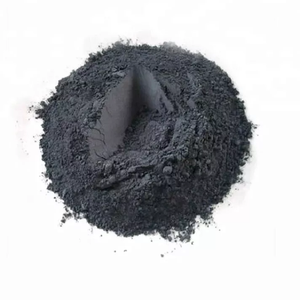
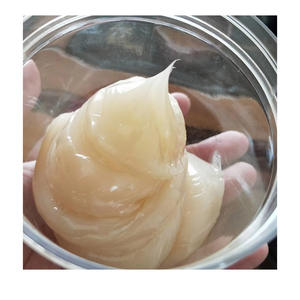
(Jd5081 Hydraulic Oil Tank Lubricant Additives Aw 68 Hydraulic Oil)
Hydraulic systems are everywhere. They power construction equipment. They control factory machinery. They even lift your car at the garage. These systems rely on hydraulic oil. It’s the lifeblood. But sometimes, basic hydraulic oil isn’t enough. That’s where hydraulic oil additives come in. Think of additives as performance boosters. They make your hydraulic oil work harder and longer. This article explores the world of hydraulic oil additives. We focus on products like JD5081 designed for your hydraulic oil tank. We also examine AW 68 hydraulic oil. It’s a common and important grade. Let’s dive in and see how these elements keep machinery running smoothly.
1. What Exactly Are Hydraulic Oil Additives?
Hydraulic oil additives are special chemicals. They are mixed into hydraulic oil. Their job is to improve the oil’s performance. They protect the hydraulic system. Hydraulic systems face tough conditions. High pressure, heat, and friction are common. Water can sneak in too. Basic hydraulic oil can struggle alone. Additives provide extra protection. They fight wear on metal parts. They stop rust and corrosion. They help the oil resist breaking down under heat. They also keep the oil flowing smoothly in cold weather. Some additives clean the system. They prevent sludge and varnish buildup. Others help the oil release air and water. This keeps the oil working properly. Additives like those in JD5081 are formulated for specific needs. They target common problems in hydraulic systems. They enhance the oil you already use. You don’t need to change your base oil. Just add the booster. Understanding these additives is key. It helps you choose the right one for your equipment. It ensures your system gets the best care possible.
2. Why Are Hydraulic Oil Additives Necessary?
Hydraulic systems are expensive. Repairs cost money. Downtime costs even more. Protecting your hydraulic system is crucial. Hydraulic oil additives play a vital role. They are not just nice to have. They are often essential for long system life. Here’s why. Hydraulic pumps and valves have tight tolerances. Metal surfaces rub against each other. Without protection, they wear out fast. Additives form a protective film. This reduces friction. It minimizes wear. This means parts last longer. Hydraulic oil gets hot during operation. Heat can cause the oil to oxidize. Oxidized oil thickens and forms sludge. Sludge clogs valves and filters. It reduces efficiency. Additives act as antioxidants. They slow down oil breakdown. They keep the oil cleaner for longer. Water is another enemy. It can get into the system through condensation. Water causes rust. It also reduces the oil’s lubricating ability. Additives help repel water. They protect metal surfaces from corrosion. In cold weather, hydraulic oil can thicken. Thick oil flows slowly. It makes the system sluggish. It can even damage the pump. Additives improve the oil’s viscosity index. This helps the oil flow better in the cold. Using additives saves money. It extends oil life. It reduces filter changes. It prevents costly component failures. It keeps your equipment running reliably.
3. How Do Hydraulic Oil Additives Work Inside Your System?
It’s fascinating how these small chemical additions make a big difference. Let’s look inside a hydraulic system. Imagine the hydraulic oil circulating. It flows from the tank, through the pump, into valves and cylinders, then back. Additives work throughout this journey. Anti-wear additives are crucial. They attach to metal surfaces inside pumps and valves. They form a protective shield. When metal parts move, the additive layer takes the stress. This prevents direct metal-to-metal contact. It drastically reduces wear. Detergent and dispersant additives work differently. They act like tiny cleaners. As oil flows, it picks up dirt and tiny wear particles. Detergents prevent these contaminants from sticking together. Dispersants keep them suspended in the oil. This stops sludge and varnish from forming on hot surfaces. The contaminants get carried away to the filter. Rust and corrosion inhibitors form a protective film on all metal parts. This film blocks water and air from causing rust. It protects steel surfaces from chemical attack. Antioxidants are like bodyguards for the oil molecules. They absorb the damaging effects of heat and oxygen. They stop the chain reaction that leads to oil thickening and sludge. Pour point depressants help in cold conditions. They change the way wax crystals form in the oil at low temperatures. This prevents the oil from becoming too thick. It ensures smooth cold-weather starting. Anti-foam agents reduce surface tension. This helps air bubbles escape quickly. It prevents foam from forming in the reservoir. Foam reduces lubrication and can cause pump damage. Each additive type tackles a specific challenge. Together, they keep the oil and the system healthy.
4. Where Are AW 68 Hydraulic Oil and Additives Applied?
AW 68 hydraulic oil is a very common viscosity grade. The “AW” often stands for “Anti-Wear”. This oil is used in many hydraulic systems. It’s found in industrial settings. Manufacturing plants use it. Plastic injection molding machines need hydraulics. So do metal presses and CNC machines. Construction is another big user. Excavators, bulldozers, and backhoes rely on hydraulics. Their systems work hard in dirty conditions. AW 68 oil provides the right thickness for these machines. Forestry equipment like harvesters use it. Agricultural machinery like tractors and combines depend on hydraulic systems. They often use AW 68 grade oil. Mining equipment operates in extreme environments. Hydraulic shovels and drills need robust lubrication. AW 68 hydraulic oil is a frequent choice. Marine applications use hydraulic systems too. Deck machinery and steering systems often specify AW 68. Additives like JD5081 are used with these oils. They are added directly to the hydraulic reservoir. They boost the performance of the existing oil. They are ideal for systems needing extra protection. This includes older equipment. Machines working under heavy loads benefit. Systems operating in hot or cold extremes need additives. Environments with high moisture levels require anti-rust additives. Using additives extends oil drain intervals. It improves system efficiency. It reduces the frequency of component replacement. Many industries see the value in adding these performance enhancers. It’s a cost-effective way to maintain hydraulic health.
5. Hydraulic Oil Additives FAQs: Your Questions Answered
People often have questions about hydraulic oil additives. Let’s answer some common ones.
Can I add JD5081 to any hydraulic oil? Usually, yes. Products like JD5081 are designed to be compatible with most mineral-based hydraulic oils. Always check the product data sheet. Make sure it matches your oil type. Avoid mixing with incompatible fluids.
How much additive should I put in my hydraulic tank? Follow the manufacturer’s instructions. JD5081 typically has a recommended dosage. It’s often a specific amount per gallon or liter of oil. Adding too little might not help. Adding too much could cause issues. Stick to the guidelines.
Will additives fix a hydraulic system that’s already failing? Additives are preventatives. They protect healthy systems. They can improve the condition of mildly degraded oil. They are not miracle cures for severe damage. If your system has major wear or contamination, additives won’t fix it. You need mechanical repair or an oil change first.
Do additives replace the need for regular oil changes? No. Additives extend oil life. They delay the need for changes. But oil still degrades over time. Contaminants build up. Even with additives, you must change the oil eventually. Regular oil analysis helps determine the best change interval. Additives make the oil last longer between changes.
(Jd5081 Hydraulic Oil Tank Lubricant Additives Aw 68 Hydraulic Oil)
Are there different additives for different hydraulic oil grades, like AW 32 or AW 46? The additive package in the base oil might differ slightly. But aftermarket boosters like JD5081 are often designed for a range of viscosity grades. They work well with common grades like AW 32, AW 46, and AW 68. The viscosity grade affects flow. The additives enhance protection and performance regardless of viscosity. Check the product specs for your specific oil grade.