One-stop lubrication solution | Discover the way to smoothness | Infomak

Unlock Peak Performance: Your Ultimate Guide to Synthetic Lubricants for Diesel Engines
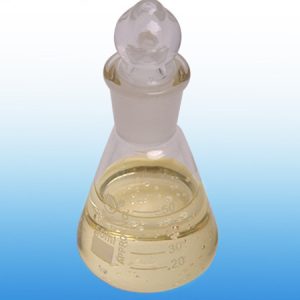
(Lubricant Oil Synthetic Oil Diesel Engine Oil)
Your diesel engine is a powerhouse. It hauls heavy loads, powers tough machinery, and keeps things moving. Keeping it running smoothly for years demands the best care. The heart of that care? The oil you choose. Forget the old myths. Modern engines need modern protection. Synthetic lubricants are the gold standard today. Let’s explore why they are essential for your diesel engine’s health and performance.
1. What Exactly is Synthetic Lubricant Oil?
Think of regular engine oil like crude oil with some basic cleaning. Synthetic oil is different. It is engineered from scratch. Scientists start with simple chemical building blocks. They combine them in precise ways. This creates tailor-made molecules. The goal? Superior performance and protection. Synthetic oil for diesel engines is designed specifically for the harsh conditions inside. High heat. Intense pressure. Combustion byproducts. It tackles these challenges head-on. Synthetic lubricant oil is more than just oil. It is liquid engineering. It provides a strong, stable film between moving parts. This reduces wear significantly. It also keeps the engine cleaner inside. Synthetic oils flow better in cold weather too. This means easier starts and instant lubrication. They resist breaking down under heat far better than conventional oils. This translates to longer oil life and consistent protection.
2. Why Choose Synthetic Oil for Your Diesel Engine?
The benefits of switching to synthetic diesel engine oil are clear. First, it protects your engine better. The strong film reduces friction. Less friction means less wear on critical parts like pistons, bearings, and the turbocharger. Your engine lasts longer. Second, it handles heat exceptionally well. Diesel engines run hot. Synthetic oil doesn’t thin out excessively or break down quickly. It maintains its protective qualities. Third, it improves fuel efficiency. Less friction inside the engine means less energy wasted. You might see slightly better miles per gallon. Fourth, it offers outstanding cold-weather performance. Synthetic oil flows easily even in freezing temperatures. This ensures oil reaches vital components immediately at startup. Cold starts are the hardest on an engine. Synthetic oil minimizes this damage. Fifth, it keeps your engine cleaner. Synthetic oils resist sludge and deposit formation. They hold contaminants in suspension better. This means cleaner internals and smoother operation. Finally, synthetic oils often allow for extended drain intervals. Always check your owner’s manual or oil manufacturer’s recommendations. This can save you time and money.
3. How Does Synthetic Diesel Engine Oil Work Its Magic?
Synthetic diesel oil works smarter, not just harder. Its custom-made molecules are uniform in size and shape. This creates a more stable lubricating film. It clings tightly to metal surfaces. This film prevents metal-to-metal contact. Even under heavy loads. The molecules are also more resistant to shear forces. Shear forces can break down oil molecules over time. Synthetic oils withstand this better. Their viscosity stays stable. This means consistent lubrication. Synthetic oils have fewer impurities from the start. Conventional oils contain molecules that vary greatly. Some break down easily under heat and stress. Synthetic oils are purer. They contain high-performance additives. These additives combat acids from combustion. They neutralize harmful byproducts. They prevent rust and corrosion. They also help clean existing deposits. The base oil and additives work together. They provide comprehensive protection. This happens across a wide range of temperatures. From freezing cold mornings to scorching hot summer hauls.
4. Key Applications for Synthetic Lubricant Oils in Diesel Engines
Synthetic diesel engine oil isn’t just for one type of vehicle. It is versatile. It protects a wide range of diesel-powered equipment. Think about heavy-duty trucks. They haul freight long distances. They face constant stress. Synthetic oil protects their engines during these demanding journeys. Consider pickup trucks used for towing. Pulling a heavy trailer puts extra strain on the engine. Synthetic oil provides the necessary protection. What about diesel-powered SUVs? They often combine daily driving with off-road adventures. Synthetic oil ensures reliable performance. Don’t forget construction equipment. Excavators, bulldozers, and generators often run for hours in tough conditions. Synthetic oil keeps them running. Agricultural machinery like tractors and combines benefit too. They operate in dusty fields and under heavy loads. Synthetic oil helps them endure. Even marine diesel engines rely on high-quality synthetics. They deal with moisture and salt spray. Synthetic lubricants offer superior defense. Any diesel engine deserves the best protection possible. Synthetic oil delivers it.
5. Synthetic Lubricant Oil FAQs: Your Top Questions Answered
Q: Is synthetic oil really worth the extra cost?
A: Yes. Think long-term. Better protection reduces engine wear. This can prevent costly repairs down the road. Extended drain intervals might offset the initial price difference. Improved fuel efficiency saves money too. The investment protects your engine’s lifespan.
Q: Can I switch to synthetic oil if my engine used conventional oil?
A: Usually, yes. Switching is generally safe. You don’t need a special flush. Just change the oil and filter as usual. Always consult your owner’s manual for specific recommendations. Some very old engines might have different needs.
Q: Will synthetic oil cause leaks in my older diesel engine?
A: This is a common myth. Synthetic oil itself doesn’t cause leaks. It might clean away sludge and deposits left by old oil. This sludge might have been plugging a small leak. If your engine has worn seals, any oil change could reveal leaks. Synthetic oil isn’t the cause. Address seal issues directly.
Q: How often should I change synthetic diesel oil?
A: It depends. Follow the oil manufacturer’s guidelines. Follow your vehicle manufacturer’s recommendations. These intervals are based on specific testing. They consider your engine type and typical use. Don’t just assume you can go much longer. Check your manual. Some synthetics allow longer drains than conventional oils. Always confirm.
Q: Are all synthetic oils basically the same?
(Lubricant Oil Synthetic Oil Diesel Engine Oil)
A: No. Quality varies significantly. Look for oils meeting current industry standards. Look for API CK-4 or FA-4 specifications. These are designed for modern diesel engines. Reputable brands invest heavily in research and testing. Choose a trusted brand known for diesel oils. Check the label for the correct specifications for your engine.
RELATED POSTS
Graphite Anode Suppliers and Alternative Graphite Anode Materials
how much nuclear fuel and graphite were ejected at chernobyl
What are the classification and characteristics of graphite?
Customizable Nsf H1 Lubricant Grease 30g Tube Food Grade Grease Coffee Machine Grease 50g
Location Of Graphite In California?