One-stop lubrication solution | Discover the way to smoothness | Infomak

High Thickness Damping Oil: The Quiet Hero of Smooth Movement
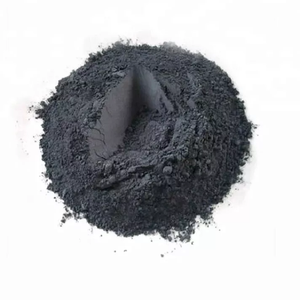
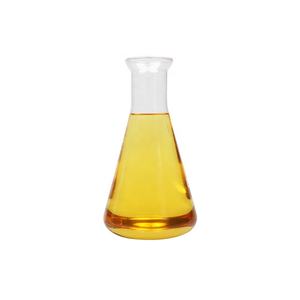
(High Viscosity Damping Grease Resistance Grease Synthetic Oil Damping Grease Lubricant)
Ever before wonder why some things relocate with such excellent, controlled silence? Think about your vehicle door closing softly, your adjustable workplace chair holding position firmly, or that fancy video camera lens zooming efficiently. Often, the secret sauce is something called high viscosity damping grease. It may not be attractive, but it’s the unhonored hero ensuring things glide, not grind. This special lube does greater than just lower rubbing; it proactively controls movement, stopping jerky movements and irritating sounds. Let’s dive into the globe of this fascinating material.
1. What Exactly is High Viscosity Damping Oil? .
Okay, let’s simplify. Consider routine grease as a lubricating substance that helps things slide easily. Damping oil is similar, but it has a superpower: resistance. The “high viscosity” part implies it’s thick. Really thick. Imagine thick honey contrasted to water. That thickness develops resistance when things try to move via it. This resistance is what “damps” or manages the speed of motion.
As opposed to allowing parts pound shut or rotate wildly, the high thickness damping grease makes them relocate slowly and continuously. It loads gaps between relocating parts. As those components slide or revolve, they need to push with this thick oil. This action takes in energy and manages the movement. It offers a smooth, regulated feeling. It’s like having an integrated shock absorber constructed from grease.
Lots of damping greases are synthetic oil based. This means they are crafted in a laboratory for particular efficiency. Synthetic oils supply advantages. They can manage bigger temperature level varieties. They resist damaging down in time. They are usually a lot more stable than all-natural oils. So, high thickness damping grease is a thick, artificial lube created especially to control and smooth out mechanical activities.
2. Why Do We Required This Thick Grease? .
Why not just make use of regular oil? Good inquiry. Regular oil is great for decreasing rubbing and wear. It lets points relocate openly. However sometimes, you do not want cost-free activity. You desire regulated movement. You desire resistance. That’s where damping oil lusters.
Without it, devices can be noisy. Think of a cabinet door banging closed. Or a device snapping back strongly. These actions are aggravating and can damage parts with time. Damping oil adds that controlled resistance. It protects against slamming. It quits vibrations. It absorbs shock. This leads to quiet operation. It likewise supplies that pleasing, smooth feel customers enjoy.
It shields equipment. By managing motion, it minimizes tension on components. This suggests gears, joints, and slides last longer. It avoids wear brought on by sudden influences. In flexible chairs or clinical devices, it ensures smooth positioning. Customers can set points precisely where they desire. The grease holds the placement securely. It prevents drifting or sliding. So, we need this thick oil for control, quietness, security, and precision.
3. How Does High Viscosity Damping Oil Do Its Job? .
The magic is all in the density, or viscosity. Viscosity measures just how easily a fluid flows. Water has reduced thickness; it flows quickly. Honey has high thickness; it moves gradually. High viscosity damping oil has a consistency like thick paste or stiff butter. When you try to relocate components coated in it, the grease resists.
Visualize attempting to stir a pot of thick honey. It takes initiative. The honey pushes back against the spoon. Damping oil functions similarly in between moving parts. As a shaft revolves or a slide moves, it must press with the thick grease. This activity produces rubbing within the grease itself. It converts the kinetic energy (motion energy) right into a little of heat. This energy dissipation reduces the motion.
The density produces a padding result. It separates the moving surfaces a little. This decreases direct metal-on-metal contact. It reduces noise and wear. The oil also stays put. It doesn’t conveniently leak or run off. It holds on to surfaces. This makes sure consistent damping performance gradually. The high viscosity is essential. It supplies the resistance needed for controlled motion. Synthetic oils assist preserve this viscosity throughout different temperature levels.
4. Where Do We Make Use Of High Viscosity Damping Oil? .
This oil is unbelievably versatile. You’ll discover it in position where smooth, regulated movement is important. Allow’s check out some common applications.
Initially, consider doors. Cupboard pivots in kitchens and furniture frequently use damping oil. It makes doors close softly and quietly. No more loud bangs. Vehicle doors and trunks additionally benefit. It guarantees they close carefully. Trunks remain open without pounding down.
Next off, flexible furniture. Office chairs utilize it in the elevation adjustment mechanism. This allows smooth raising and reducing. It additionally holds the chair at your selected height securely. Recliners utilize it to manage the backrest movement. It provides a smooth recline and return.
Electronic camera lenses rely upon it greatly. Zoom and emphasis rings require accurate, smooth movement. Damping grease makes hands-on concentrating feeling specialist. It avoids jerky modifications. Tripod heads use it to allow smooth panning and tilting. The video camera stays put until you apply deliberate pressure.
Industrial devices uses it thoroughly. Dampers in equipment requirement regulated movement. Damping oil is utilized in valves, levers, and slides. It makes sure accurate positioning. It lowers resonance. It protects against components from chattering or drinking loosened.
Other uses consist of angling reels (smooth drag), medical gadgets (precise modifications), robotics (controlled joint activity), and even some toys. Anywhere controlled resistance is required, high viscosity damping oil is a likely prospect.
5. High Thickness Damping Oil FAQs .
Let’s respond to some typical questions individuals have about this unique oil.
Q: Is damping oil the same as regular grease? .
A: No. Regular oil focuses on decreasing friction absolutely free motion. Damping oil is made for regulated movement and resistance. It’s much thicker and provides a braking effect.
Q: Will it make my device relocation slower? .
A: Yes, that’s the point! It includes resistance to regulate rate. It prevents fast, unchecked activities like slamming. The motion becomes smooth and purposeful.
Q: Does temperature level affect damping oil? .
A: Yes, temperature impacts all oils. Severe cold can make it stiffer. Severe warm can make it thinner. High-quality artificial damping greases deal with temperature changes better. They keep regular performance over a larger range.
Q: The length of time does damping grease last? .
A: It lasts a long period of time. Artificial damping oils are really secure. They resist oxidation and degradation. Efficiency stays constant for many years under typical problems. Extreme settings could shorten its life.
Q: Can I utilize it on plastic parts? .
(High Viscosity Damping Grease Resistance Grease Synthetic Oil Damping Grease Lubricant)
A: Beware. Some oils can damage certain plastics. Always examine the oil specs. Many damping greases are plastic secure. Seek ones classified as suitable with plastics. Evaluate it on a tiny location first if uncertain.
RELATED POSTS
How To Send Custom Metrics To Graphite

Understanding the difference between natural graphite and artificial graphite: how to develop artificial graphite products with natural graphite
What is graphite anode material?
Does Graphite Wash Out Of Clothes
Are Graphite Shafts Better