One-stop lubrication solution | Discover the way to smoothness | Infomak

Open Peak Efficiency: The Essential Guide to L-HM Anti-Wear Hydraulic Oil (68 & 46).
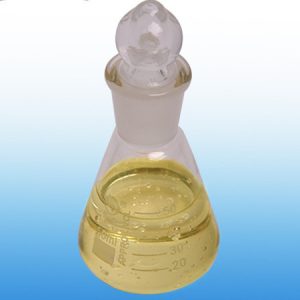
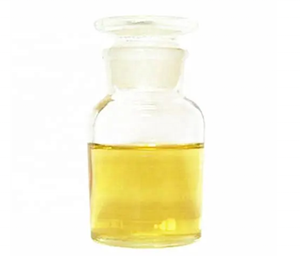
(L Hm Antiwear Hydraulic Fluids Oil Lubricant Hydraulic Oil 68 46)
Hydraulic systems are the muscular tissue behind countless equipments. Believe construction titans like excavators, the powerful presses in factories, also the lifts that assist us park vehicles. These systems depend heavily on one important element: hydraulic fluid. It sends power, oils components, and keeps things cool down. Choosing the best fluid is vital. It directly affects performance, part life, and your profits. This overview concentrates on a champion in this area: L-HM Anti-Wear Hydraulic Oil, particularly the typical viscosity qualities 68 and 46. Comprehending this oil assists maintain your hydraulic systems running efficiently and successfully.
1. Exactly What is L-HM Anti-Wear Hydraulic Oil? .
L-HM Anti-Wear Hydraulic Oil is an unique type of fluid created specifically for hydraulic systems. The “L” represents lube. “H” represents its use in hydraulic systems. The “M” suggests it consists of additives to safeguard against wear. These are the key attributes. Hydraulic oil functions as the power transfer tool. When a pump presses this oil, it moves under stress with valves and tubes. This pressurized oil then drives cyndrical tubes or electric motors to do job. Beyond power transfer, the oil must lube relocating components inside pumps, valves, and motors. These parts typically operate under high stress. Without excellent lubrication, steel surface areas massage with each other. This triggers quick wear and potential failing. Hydraulic oil additionally aids dissipate warmth produced by system operation. It lugs warmth far from important parts. Contaminants like dust and water misbehave news. The oil assists put on hold these contaminants until filters can remove them. Finally, seals stop leaks and keep dust out. Good hydraulic oil assists maintain seal integrity. The “Anti-Wear” part is crucial. These oils consist of special chemical ingredients. These ingredients create a protective layer on steel surface areas. This layer protects against direct metal-to-metal call. It decreases wear, particularly under high loads. Thickness grades 68 and 46 describe the oil’s density or resistance to circulation. Quality 68 is thicker than quality 46. Consider honey versus water. The ISO system defines these grades. Choosing the ideal thickness depends upon operating temperature level and system design. L-HM oil supplies necessary defense and efficiency for demanding hydraulic applications.
2. Why Choose Anti-Wear Hydraulic Oil? The Important Advantages. .
Making use of the proper hydraulic oil is not just a pointer. It’s crucial for system wellness and price savings. Choosing L-HM Anti-Wear Hydraulic Oil uses significant advantages. The primary advantage is minimized wear. Hydraulic pumps and electric motors contain precision parts. Vanes, gears, and pistons relocate at broadband under pressure. Anti-wear additives create a shield on these surface areas. This guard lessens friction and metal loss. Much less wear methods parts last much longer. Pump failures are costly and cause downtime. Anti-wear oil extends pump life dramatically. Shielding valves is similarly important. Shutoffs regulate oil circulation instructions and pressure. Used shutoffs result in poor control, leaks, and system slowness. Anti-wear oil keeps shutoffs functioning correctly longer. Reduced wear equates straight into lower maintenance prices. Less parts need changing. Much less downtime means more productivity. This saves cash in time. Anti-wear oils additionally enhance general system effectiveness. They keep consistent thickness over a series of temperature levels. Regular thickness makes sure smooth power transfer. It lowers power loss. Excellent hydraulic oil additionally assists control deterioration and oxidation. Oxidation makes oil thick and acidic. This damages seals and metal surface areas. Anti-wear solutions stand up to oxidation better. They keep the oil cleaner for longer. Tidy oil secures system elements. This decreases filter adjustments and extends oil drain intervals. Using L-HM oil is a financial investment in dependability and reduced operating expense.
3. Just how to Select the Right Thickness: ISO 68 vs. ISO 46. .
Viscosity selection is key. Selecting in between ISO VG 68 and ISO VG 46 hydraulic oil issues. Thickness actions exactly how easily the oil flows. Think of it as thickness. ISO VG 68 is thicker than ISO VG 46. Temperature greatly impacts viscosity. Cold oil is thicker. Warm oil is thinner. Hydraulic systems require oil that streams conveniently at start-up. They also require oil thick adequate to lube effectively at running temperature level. The maker manufacturer defines the required thickness grade. Always examine the tools guidebook initially. It informs you the very best oil for your certain system. Ambient temperature plays a huge function. In chilly environments or for outdoor winter use, thinner oil (like VG 46) moves much better at start-up. This stops pump cavitation. Cavitation occurs when the pump can not get enough oil. It creates damage and sound. In warm climates or high-temperature applications, thicker oil (like VG 68) maintains its safety movie better. It doesn’t weaken too much. Some systems run over a broad temperature array. Multi-grade oils exist for these situations. They offer better thickness security. System design variables likewise matter. High-pressure systems commonly benefit from a little thicker oil. It supplies better film stamina. Constantly adhere to the maker’s suggestion. Using the wrong viscosity can hurt your system. Too thick reasons bad chilly begins and energy loss. Too thin result in inadequate lubrication and wear. Understanding when to make use of VG 68 or VG 46 ensures optimum efficiency and protection.
4. Where is L-HM Anti-Wear Hydraulic Oil Utilized? Key Applications. .
L-HM Anti-Wear Hydraulic Oil is unbelievably functional. You discover it powering makers across lots of markets. Building and construction tools counts greatly on hydraulics. Excavators make use of hydraulics for digging and lifting. Backhoes utilize them for trenching. Bulldozers utilize them for blade control. Cranes rely on hydraulics for lifting and expanding booms. These equipments run outdoors in difficult conditions. They need trusted, wear-protecting oil like L-HM. Factory use hydraulics extensively. Injection molding machines need exact stress control. Metal marking presses produce significant forces hydraulically. Material handling tools like forklifts utilize hydraulics for lifting. Industrial presses for developing parts depend on hydraulic power. L-HM oil keeps these systems running efficiently. Agricultural machinery uses hydraulics also. Tractors use hydraulics for executes like plows and seeders. Incorporates utilize them for headers and grain handling. These devices encounter dust, dust, and varying temperature levels. Anti-wear oil is essential. Forestry devices like harvesters and skidders operate in demanding atmospheres. Their hydraulic systems require durable defense. Mining devices runs under severe tons. Hydraulic shovels and haul trucks rely on sturdy oil. Also some automotive applications use it. Auto lifts in repair shops require reputable hydraulics. Specific sorts of power guiding systems make use of hydraulic fluid. Basically, any kind of device making use of hydraulic pumps, shutoffs, and cyndrical tubes likely benefits from L-HM Anti-Wear Hydraulic Oil. Its security extends the life of costly components.
5. L-HM Hydraulic Oil FAQs: Your Inquiries Addressed. .
(L Hm Antiwear Hydraulic Fluids Oil Lubricant Hydraulic Oil 68 46)
Individuals typically have inquiries about utilizing hydraulic oil. Below are response to usual ones. Can you blend various brand names of L-HM oil? It is usually possible. A lot of L-HM oils are developed to be suitable. Yet it’s not the most effective practice. Various brands might use somewhat various additive packages. Mixing might potentially lower efficiency. For ideal results, stick to one brand name. If you need to mix, ensure both satisfy the very same specification (like ISO 11158). Exactly how typically should you alter hydraulic oil? There is no solitary answer. Oil change intervals depend on several factors. Operating hours issue. System temperature is vital. Hotter systems weaken oil faster. Contamination levels are important. Messy atmospheres or systems with inadequate filtering require more frequent adjustments. The producer’s handbook supplies the best guideline. Oil evaluation is a wonderful tool. It tells you exactly when the oil is worn out. Can you make use of engine oil in a hydraulic system? You should refrain from doing this. Engine oil and hydraulic oil are formulated in different ways. Engine oil has detergents and additives for burning byproducts. These are unnecessary in hydraulics. Engine oil might not supply the right anti-wear security for hydraulic pumps. It might harm your system. Always make use of oil specified for hydraulics. Is L-HM oil eco-friendly? Basic L-HM oils are not typically eco-friendly. They are mineral oil-based. If you require naturally degradable fluid for environmental reasons, look for special types. These may be classified HETG (vegetable oil-based) or HEES (artificial ester-based). They are made use of in eco delicate locations. What does the AW in anti-wear stand for? AW simply means Anti-Wear. It describes the additive bundle in the oil. These additives safeguard metal surfaces from wear under tons. Zinc dialkyl dithiophosphate (ZDDP) is a typical anti-wear additive. It creates a protective movie on metal parts. This decreases rubbing and wear. Choosing oil identified AW or Anti-Wear guarantees this defense is present.