One-stop lubrication solution | Discover the way to smoothness | Infomak

Okay, here is the rewritten title, followed by the blog post structured as requested.
(Turbine Oil Turbine Oil Steam Turbine Oil Industrial Lubricant)
Title: The Unsung Hero of Industry: Why Turbine Oil Matters More Than You Think
Blog:
We rely on huge machines. Power plants hum. Factories roar. Ships sail vast oceans. Often, the heroes making this possible work silently inside these giants. They are the bearings, gears, and turbines themselves. But even these powerful parts need protection. They need smooth operation. They need to stay cool and fight wear. That’s where turbine oil comes in. It’s the essential lifeblood flowing through these industrial workhorses. Forget fancy marketing; this stuff is crucial. Let’s dive into the world of turbine oil and industrial lubricants.
1. What Exactly is Turbine Oil? (The Basic Stuff)
Turbine oil isn’t just any oil. It’s a special type of industrial lubricant designed for a tough job. Think about steam turbines. They spin incredibly fast. They get very hot. They face high pressures and heavy loads. Ordinary oils would break down quickly here. They’d foam up. They’d lose their lubricating power. Turbine oil is different.
It’s usually a premium mineral oil or sometimes a synthetic fluid. Its job is clear: reduce friction. It keeps metal parts from grinding against each other. It helps cool hot spots by carrying heat away. It protects against rust and corrosion. It also helps seal gaps and dampen vibrations. Turbine oil is built for stability. It needs to last a long time without changing its properties much. This is vital because turbines often run for years without stopping. Changing the oil constantly isn’t practical.
2. Why is Turbine Oil So Critical? (Beyond Just Slippery)
You might think lubrication is simple. Just make things slide easier. But turbine oil does far more. Its role is absolutely critical for several reasons.
First, reliability. Turbines power cities and industries. A breakdown is costly and disruptive. Good turbine oil prevents catastrophic failures. It stops bearings from seizing. It keeps gears meshing smoothly. This means fewer shutdowns and repairs.
Second, efficiency. Friction wastes energy. It turns useful power into useless heat. Turbine oil minimizes this waste. Less friction means the turbine uses its fuel or steam better. It delivers more power. This saves money and resources over time.
Third, longevity. Turbines are expensive investments. They need to last decades. Turbine oil protects them. It fights wear. It prevents rust. It stops acids from forming inside the system. This protection extends the turbine’s life significantly.
Fourth, safety. A failed turbine can be dangerous. Overheating bearings or seized parts might cause fires or explosions. Proper lubrication with the right turbine oil reduces these risks. It keeps everything running safely.
3. How Does Turbine Oil Do Its Job? (The Science Inside)
So how does this industrial lubricant manage all this? It comes down to its carefully engineered properties.
Viscosity is key. This is the oil’s thickness or resistance to flow. Turbine oil needs just the right viscosity. Too thin, and it won’t form a protective film under heavy load. Too thick, and it causes drag, wasting energy. It needs to flow easily at startup but stay thick enough under operating heat.
Oxidation stability is another big one. Heat and air exposure make oils break down. They form sludge and varnish. These sticky deposits clog filters and valves. They reduce heat transfer. Good turbine oil resists oxidation for a long time. Additives help with this.
Demulsibility matters too. Turbines often deal with water. Steam turbines get condensation. Water can mix with oil, forming an emulsion. This milky mixture doesn’t lubricate well. Turbine oil is designed to separate from water quickly. It lets the water settle out for easy draining.
Rust and corrosion protection is built-in. Additives form a protective layer on metal surfaces. They neutralize any acidic byproducts that might form.
Foam resistance is crucial. Turbines churn the oil. This can whip air into it, creating foam. Foam doesn’t lubricate. It can cause overheating. Turbine oil has anti-foam additives to prevent this.
4. Where is Turbine Oil Used? (Beyond the Power Plant)
While “steam turbine oil” is a common term, its uses go wider. This industrial lubricant serves many demanding machines.
Power Generation: This is the classic home. Steam turbines in coal, gas, nuclear, and even some solar thermal plants rely on it. So do hydroelectric turbines and gas turbines (though gas turbines sometimes use different fluids).
Industrial Turbines: Many factories use steam turbines to drive large machines directly. Think paper mills, chemical plants, or refineries. These turbines need lubrication too.
Marine Applications: Large ships often use steam turbines for propulsion. Their lubrication needs are similar to land-based power plants.
Large Gearboxes: Some massive industrial gearboxes, especially those connected to turbines or handling huge loads, might use turbine oil. Its stability and load-carrying ability are beneficial.
Compressors: Certain large, high-speed compressors, particularly centrifugal types, can also use turbine oil. It handles the speed and heat well.
Essentially, anywhere you find large, fast-rotating equipment under heavy load and high temperatures, turbine oil might be the industrial lubricant of choice.
5. Turbine Oil FAQs (Quick Answers)
People often have questions about this essential fluid. Here are some common ones:
Can I use regular engine oil in a turbine? No. Engine oils have different additives. They aren’t designed for the constant high temperatures and water exposure turbines face. Using the wrong oil risks damage.
How often should turbine oil be changed? It depends. Many systems use the oil for years. The key is regular testing. Oil analysis checks viscosity, acidity, water content, and contaminants. Change it only when tests show it’s necessary.
What happens if water gets into turbine oil? Water is bad. It causes rust. It reduces lubrication. It promotes oil breakdown. Good turbine oil separates from water well. But too much water is still a problem. Systems have water removal methods. Regular checks are vital.
Are synthetic turbine oils better? Sometimes. Synthetic oils can handle even higher temperatures. They often last longer and resist oxidation better. But they are more expensive. The best choice depends on the specific turbine and operating conditions.
(Turbine Oil Turbine Oil Steam Turbine Oil Industrial Lubricant)
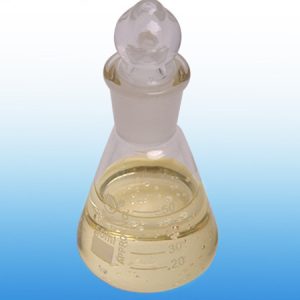
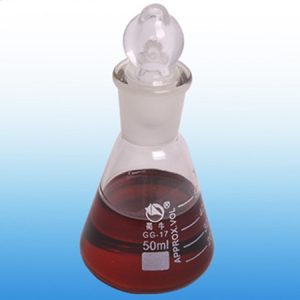
Why does turbine oil sometimes look cloudy or dark? Cloudiness often means water contamination. Darkness can mean oxidation or contamination with dirt or wear particles. Both are signs the oil needs testing, maybe changing. Fresh turbine oil should be clear.