One-stop lubrication solution | Discover the way to smoothness | Infomak

Okay, here is the rewritten title and the blog post crafted to sound natural and engaging:
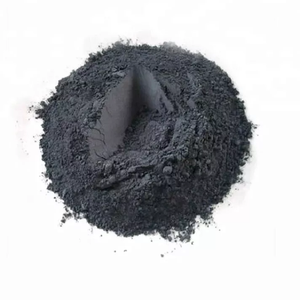
(Whole Bike Bicycle Lube Motor Oil Synthetic Sae 40 15w40 Sl Oil Bottle Motorcycle Lubricant Engine Oil)
Title: Your Bike’s Secret Sauce: Synthetic Motor Oil as Chain Lube? Unpacking SAE 40 & 15W40
(Blog Post Content)
Everyone who rides a bike knows the simple joy of a smooth chain. That quiet whir as you pedal, the effortless shift through gears – it feels great. But what keeps that chain happy? Lube. And sometimes, folks get creative. Ever hear whispers about using motor oil, specifically stuff like SAE 40 or 15W40, instead of regular bicycle chain lube? It sounds unusual, maybe even a bit wild. Let’s dive into this idea, see what it’s about, why some consider it, how you might do it, where it fits, and answer some burning questions. Forget the robot talk; let’s chat about grease.
1. What Exactly Are We Talking About Here?
Right. So, the core idea is using automotive engine oil, specifically synthetic types graded SAE 40 or 15W40 (and meeting SL standards), as a lubricant for bicycle chains. Forget the fancy bottles marked ‘bike chain lube’ for a moment. We’re looking at the stuff designed for car or motorcycle engines. SAE 40 is a single-grade oil, thick when cold or hot. 15W40 is multi-grade – thinner when cold (the ‘W’ stands for winter), thicker when hot. ‘Synthetic’ means it’s lab-made for better performance and longevity compared to old-school mineral oils. ‘SL’ is an old API service classification for gasoline engines, indicating certain protective qualities. The thought is, if it works inside a roaring engine, surely it can handle a bicycle chain?
2. Why Would Anyone Even Think About This?
Good question! Why mess with the tried-and-true bike lubes? A few reasons pop up, mostly from folks trying to save a buck or use what they have. First, engine oil is generally cheaper per ounce than dedicated bicycle chain lubes. If you have some leftover from an oil change, it feels like free lubrication. Second, some believe thicker oils like SAE 40 might last longer on the chain, resisting fling-off better than thinner bike lubes. Third, the ‘synthetic’ tag promises durability and high-temperature stability – appealing for chains getting hot under hard pedaling. Fourth, for riders in very dusty or wet conditions, they hope a heavier oil will cling on better. It’s often about perceived value and durability over specialized products.
3. How Would You Actually Use Engine Oil on a Bike Chain?
Alright, let’s say you’re curious and want to try this. How do you get that motor oil onto your precious chain? It’s messy business, warning you now. Forget the neat drip bottles of bike lube. You’ll need a small applicator – maybe an old syringe (without the needle!), a tiny brush, or even a rag. Apply just a tiny amount. Seriously, less is more. Focus on getting the oil inside the chain rollers where the metal parts move. Wipe off all the excess oil from the outer plates immediately. Leaving it thick and gloopy on the outside is a disaster waiting to happen. That excess oil acts like a magnet for every speck of dust, grit, and road grime within a mile. You’ll end up with grinding paste, not lubrication. So, apply sparingly inside, wipe thoroughly outside. Prepare for oily fingers.
4. Where Might This Approach Actually Work (or Not)?
It’s not a one-size-fits-all solution. Think about where you ride. If you’re mostly on clean roads or light gravel, and you’re religious about wiping off excess, maybe it could work short-term. But honestly, dedicated bike lubes are easier and cleaner. Where engine oil might have a niche? Perhaps for a bike used temporarily in extremely wet, muddy conditions where you need something that clings stubbornly and you don’t mind frequent, messy cleanings. Or for an old beater bike used for short trips where performance isn’t critical. For mountain bikers facing constant dust, road cyclists wanting efficiency, or anyone who hates cleaning thick, dirty grease off their chain and components – this is likely a bad idea. The mess and dirt attraction are big downsides.
5. FAQs: Answering the Burning Questions
Q: Is it really safe for my chain? A: Engine oil will lubricate the metal surfaces, yes. But its thick nature attracts dirt like crazy. That dirt acts like sandpaper, wearing down your chain and sprockets faster. Dedicated bike lubes often have additives to repel dirt. So, while it lubes, it might shorten component life due to increased contamination.
Q: Will it harm my environment? A: Yes, potentially. Engine oil is a significant pollutant. If it flings off onto the road or trail, it washes into waterways. Most dedicated bicycle chain lubes are designed to be less environmentally damaging. Wiping off excess helps, but it’s still a concern.
Q: Is SAE 40 better than 15W40 for bikes? A: SAE 40 is thicker all the time. 15W40 is thinner when cold, thicker when hot. For a bike chain, which doesn’t get as hot as an engine, the cold flow might not matter much. Both are generally too thick and attract dirt. The difference between them for bike use is probably minor.
Q: Doesn’t synthetic mean it lasts longer? A: Synthetic oils are more stable and resist breaking down better than mineral oils. However, on a bike chain, the main issue isn’t the oil breaking down – it’s the oil getting contaminated with dirt and grit. Synthetic might stay slippery longer under the grime, but the grime itself causes wear.
Q: What’s the biggest drawback? A: The massive dirt attraction. It turns your chain into a sticky dirt magnet. This leads to faster wear, a messier bike, and requires more frequent, difficult cleaning. It’s also messy to apply. Dedicated bike lubes are formulated to balance lubrication with dirt resistance.
(Whole Bike Bicycle Lube Motor Oil Synthetic Sae 40 15w40 Sl Oil Bottle Motorcycle Lubricant Engine Oil)
Q: Can I use it on other bike parts? A: Maybe on very old, exposed pivot points in a pinch, but it’s still messy and attracts dirt. For derailleurs, brakes, or any sealed bearings – absolutely not. Use proper bike grease or oils designed for those components. Engine oil is too thick and wrong for those applications.
RELATED POSTS
Venusian Varieties: Speculating on the Presence of Graphite on the Surface of Venus.
What are the characteristics of lithium ion battery ?
is graphite a metal
Does Graphite Contain Metal
Industrial Gear Oil Ep Iso 100 Lead Free Heavy Duty Industrial Gear Lubricant For Enclosed Gear Sets Gulf Oil Total Protection