One-stop lubrication solution | Discover the way to smoothness | Infomak

What Is OCP-010 EPM Ethylene Propylene Rubber Lubricating Substance Oil Additives Viscosity Index Improver? .
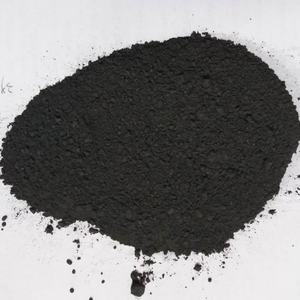
(Ocp-010 Epm Ethylene Propylene Rubber Lubricant Oil Additives Viscosity Index Improver)
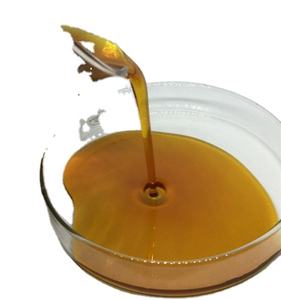
OCP-010 EPM ethylene propylene rubber lubricating substance oil ingredients thickness index improver is a specialty polymer made use of in engine oils and industrial lubricants. It belongs to the olefin copolymer (OCP) family. Its major task is to reduce just how much a lube’s thickness changes when temperature level shifts. This additive usages ethylene propylene rubber (EPR or EPM) as its base material. That gives it solid shear stability and excellent solubility in oil. You can find this type of thickness index improver in lots of high-performance lubricants. It assists maintain oil flowing efficiently in cool begins and remaining thick enough under high warm. For example, similar performance goals are seen in products like low-ash gas engine oils created for tough operating conditions.
Why Usage OCP-010 EPM Ethylene Propylene Rubber Lubricant Oil Additives Viscosity Index Improver? .
Engines and machines function throughout a variety of temperature levels. In winter months, oil must remain slim enough to pump quickly. In summertime or under hefty tons, it has to withstand thinning out way too much. Without a thickness index improver, most base oils fail this test. OCP-010 EPM addresses this issue. It increases when hot to thicken the oil and coils up when chilly to prevent making it also thick. This maintains the oil in the appropriate viscosity range throughout the year. It also resists mechanical failure far better than numerous various other polymers. That suggests longer oil life and better engine security. Compared to older types of ingredients, OCP-010 uses cleaner operation and less sludge. That’s why contemporary solutions lean on it greatly– much like just how anti-wear hydraulic oils rely upon clever additive bundles for constant efficiency.
Exactly How Does OCP-010 EPM Ethylene Propylene Rubber Lubricant Oil Additives Viscosity Index Improver Job? .
At reduced temperature levels, the polymer chains in OCP-010 remain curled. They occupy little room, so they don’t hinder oil flow. When things heat up, those very same chains extend. They contend oil particles and reduce movement, which raises viscosity. This reversible adjustment happens smoothly over a wide temperature band. The ethylene propylene rubber foundation offers the molecule flexibility and thermal stability. It additionally bonds well with mineral and synthetic base oils. Since it’s made from saturated hydrocarbons, it resists oxidation much better than unsaturated options. That suggests fewer deposits and much less acid accumulation in the oil. The outcome is steady lubrication whether you’re idling in traffic or transporting freight uphill. This smart reaction is part of what makes advanced lubricating substances– like those utilized in fabric equipment with specialized impend oils— so reputable under stress and anxiety.
Applications of OCP-010 EPM Ethylene Propylene Rubber Lube Oil Additives Viscosity Index Improver .
This additive programs up in several areas where oil should execute under stress and temperature swings. Multi-grade engine oils like 10W-40 or 5W-30 generally consist of a thickness index improver, and OCP-010 EPM is a top option. It’s additionally typical on duty oils, transmission fluids, and hydraulic systems that run outdoors or in manufacturing facilities. Durable diesel motor take advantage of its shear resistance. So do off-road vehicles and building tools. Also some compressor oils utilize it to keep movie toughness at high temps. Since it works well with other ingredients– detergents, dispersants, anti-wear representatives– it fits nicely right into complex formulas. You’ll see similar engineering reasoning in products like ISO HM hydraulic oils, where several performance attributes should exist side-by-side without conflict. The textile industry additionally values stable viscosity, which is why loom lubricants frequently include thoroughly balanced additive systems.
Frequently Asked Questions Regarding OCP-010 EPM Ethylene Propylene Rubber Lubricating Substance Oil Additives Viscosity Index Improver .
1. Is OCP-010 the like various other thickness index improvers?
No. There are different kinds– like PMA (polymethacrylate) or styrene-butadiene copolymers– yet OCP-010 makes use of ethylene propylene rubber, which provides it better shear stability and reduced volatility.
2. Can it be utilized in artificial oils?
Yes. OCP-010 mixes well with both mineral and artificial base supplies, consisting of PAOs and esters. It’s generally located in full-synthetic engine oils.
3. Does it impact gas economic situation?
Not negatively. In fact, by enabling lower-viscosity qualities (like 0W-20), it helps in reducing internal friction, which can enhance mileage.
4. How much is normally contributed to a lube?
It depends upon the target thickness grade, but typically between 3% and 10% by weight. Greater focus offer greater viscosity enhancement.
5. Will it create sludge or down payments?
Unlikely. Due to the fact that EPM is filled, it stands up to oxidation. That implies fewer acids and varnishes contrasted to older polymer types.
6. Is it compatible with various other ingredients?
Yes. It functions well with detergents, dispersants, anti-wear representatives, and anti-oxidants. Formulators often blend it right into complete additive plans uncreative.
7. Where can I see real-world examples of its usage?
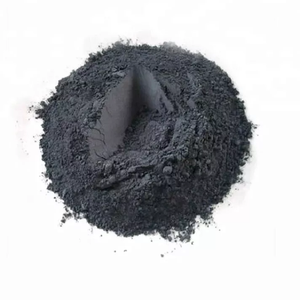
(Ocp-010 Epm Ethylene Propylene Rubber Lubricant Oil Additives Viscosity Index Improver)
Consider any multi-grade motor oil spec sheet. Also, examine technological blog sites like those covering low-ash gas engine oils, which depend on clever thickness control for emission system compatibility.